MitoPOD Review: The Spec Sheet That Undersells Itself

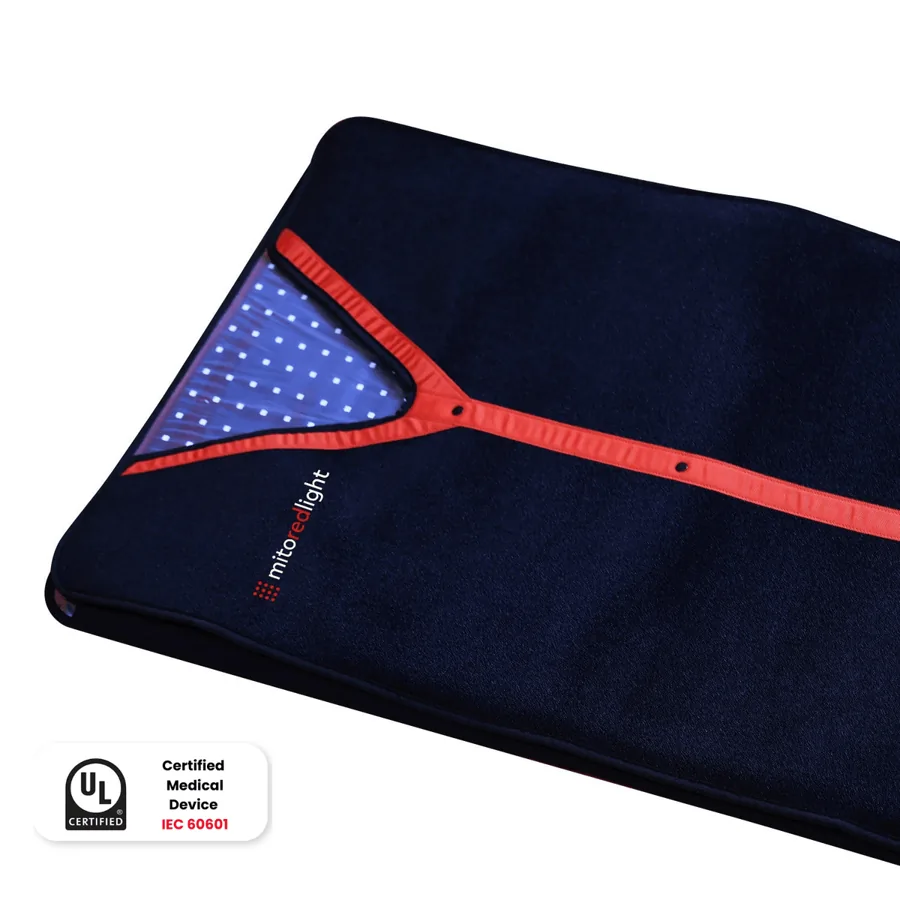
Note, July 2026: Mito has discontinued the MitoMAT, the flat mat we previously recommended here. Its replacement in the full-body slot is the MitoPOD, a folding pod rather than a mat. This review has been rewritten around the product you can actually buy. If you own a MitoMAT, nothing about it got worse; it is simply no longer sold.
Mito Red Light made its name selling panels to people who read research papers, and the MitoPOD carries that DNA. It's the one full-body device in this category where the LED math, the certification, and the measurement methodology all hold up under a flashlight. Ironically, it's also the device most likely to lose a spec-sheet staring contest, because Mito quotes its numbers honestly and its competitors mostly don't.
So the question isn't whether it's well built. It's whether full-blend NIR coverage is worth about $1,699 when a $199 mat exists, and whether it's worth $500 more than the MitoMAT it replaced. Here's the accounting.
Price: about $1,699
Wavelengths: 660nm red, 810nm and 830nm near-infrared, every diode
LEDs: 2,320 triple-chip diodes, 6,960 chips total, 33% red / 67% NIR
Irradiance: 30 mW/cm² peak at the surface (methodology stated)
Certification: IEC 60601 medical device safety standard; FDA Class II registered
Form factor: folds to 62" × 24", opens to 62" × 54", 15 lb, travel bag included
Returns: 60 days
Warranty: 1 year
What You're Actually Buying
A full-body device where all 2,320 diodes are triple-chip: each one carries a 660nm red chip, an 810nm NIR chip, and an 830nm NIR chip. That gives the MitoPOD a 67% near-infrared blend across its entire surface. NIR is the wavelength band that penetrates past skin into muscle and joint tissue, and it's the reason most people buy a recovery device in the first place.
Compare that to the way everyone else builds: the HigherDOSE mat puts NIR in a minority of its 1,000 LEDs. The MitoPOD's NIR coverage isn't incrementally better. It's a different class of device.
The Good
The LED architecture is the best in the category. Triple-chip diodes everywhere means no dead zones in the NIR coverage. If deep-tissue recovery is why you're buying, this is the spec that matters most and the MitoPOD wins it outright, with roughly 80% more diodes than the MitoMAT it replaced.
IEC 60601 certification is rare here. That's a medical device electrical safety standard, not a wellness sticker. Most competitors don't attempt it. For something you lie on several hours a week, plugged into the wall, it's worth real money.
The irradiance number is honest. Mito tells you 30 mW/cm² peak and tells you where it measured. Competitors quoting 90 or 170 are using readings that are not comparable. We break this down in the buying guide, but the short version: distrust big numbers with no methodology, trust stated methodology at any number.
It actually travels. 15 pounds, folds in half, ships with a bag. No other full-body device here pretends to be portable, and for people who train away from home that is a genuine functional difference rather than a marketing line.
The Not-So-Good
The warranty went backwards. This is the part nobody else will tell you. The MitoMAT carried two years. The MitoPOD carries one. Mito is candid about why: flexible devices are less durable than rigid panels, which is why its panel line still gets up to three years. You are paying $500 more than the outgoing mat for half the warranty coverage. That is a real trade, and if longevity is your priority it argues for a panel instead.
About $1,699 is a serious check. The Hooga exists at about $199. It's a fraction of the device, but if you've never done a red light session in your life, spending $199 to learn whether you'll actually lie down for 20 minutes a day is the smarter first move.
It's a pod, not a flat mat. If your plan was to slide something under a yoga mat or leave it flat on a treatment table, the form factor has changed on you. Read the dimensions before assuming it drops into the same spot the MitoMAT did.
No session presets or app polish. The MitoPOD is an instrument, not an experience. HigherDOSE wraps its product in guided session lengths and lifestyle design. If that's what gets you to actually use the thing, it has value Mito doesn't offer.
Who Should Buy It
- Buyers who want maximum NIR dose per session and understand what they're paying for
- People who travel and want full-body coverage that packs down
- People who have already used red light therapy and know they'll stay consistent
Who Should Buy Something Else
- First-timers unsure about the habit: start with the $199 Hooga
- Buyers who want light from both sides at once: that's the BonCharge Blanket, at a price
- People who want PEMF and infrared heat in the same device: see the Therasage TheraPro
- Anyone whose top priority is warranty length: Mito's own panels carry up to three years
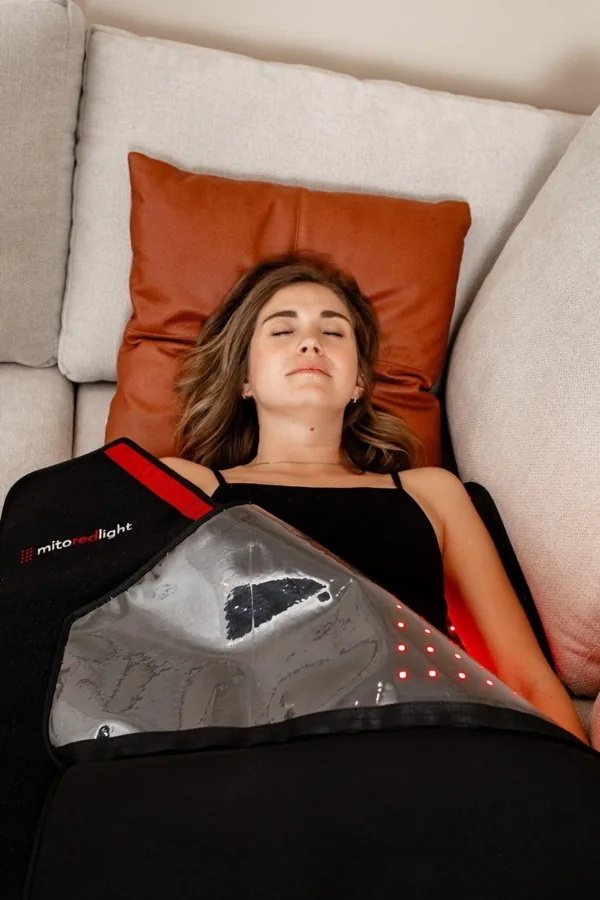
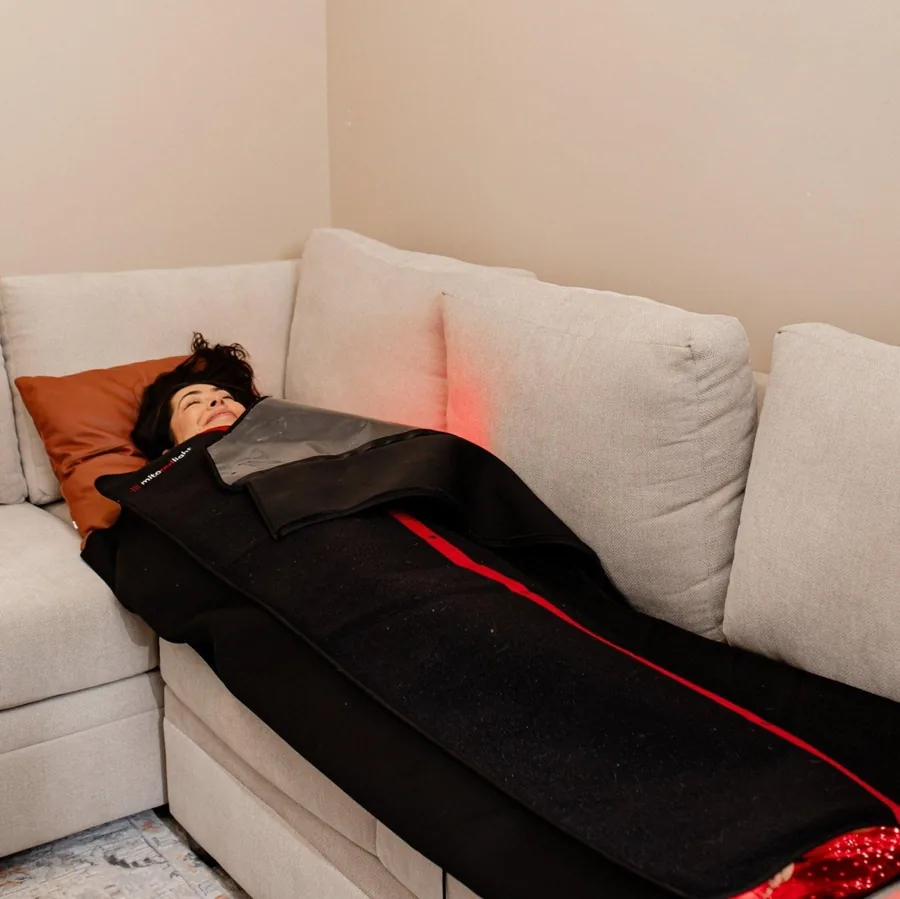
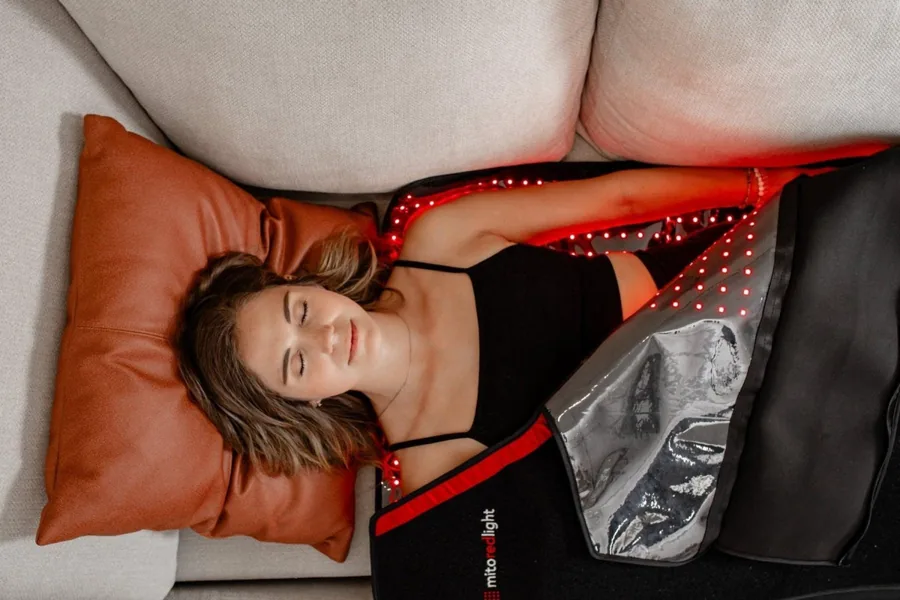
Verdict: The MitoPOD is the best full-body red light device you can buy in 2026 for the thing these devices are actually for. It wins on physics and paperwork, not vibes: full-surface NIR, medical-grade certification, and honest measurement. But it costs about $500 more than the mat it replaced and warranties for half as long, so buy it because you want the light, not because you assume the upgrade is strictly better. If that fits your budget and you'll use it, buy it and stop reading reviews.