Red Light Mat vs Panel: Power Against Posture
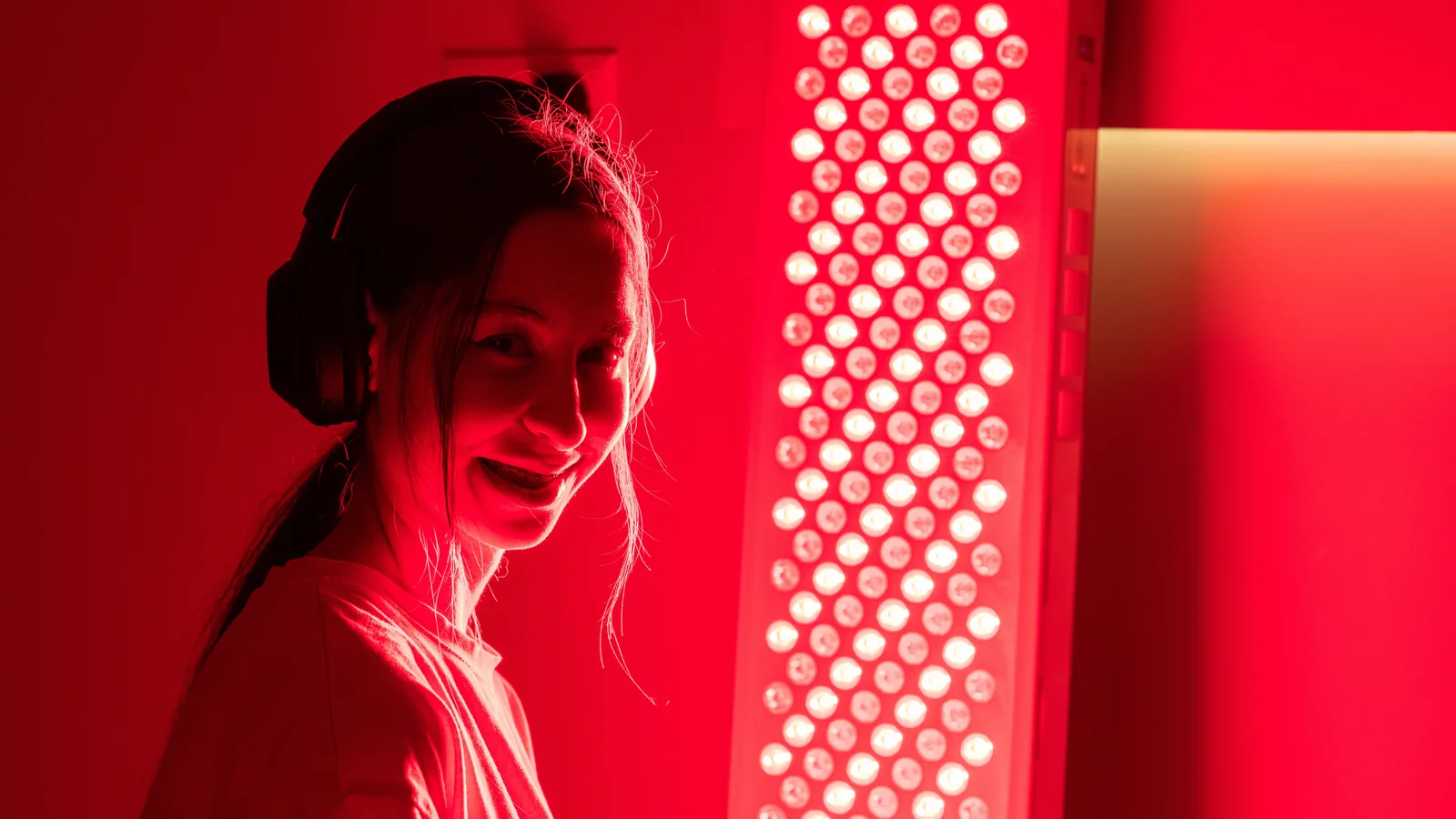
Before you pick a mat, you should know whether you want a mat at all. Panels, the wall-mounted or stand-mounted LED arrays from brands like PlatinumLED, Joovv, Mito, Hooga, and Vellgus, are the older and more powerful form of home red light therapy. Mats traded away some of that power for something the panel people don't like to discuss: nobody enjoys standing naked in front of a glowing wall for fifteen minutes a day.
Side by Side
| Mat | Panel | |
|---|---|---|
| Delivered intensity | Lower, contact distance | Higher, at recommended 6-12" distance |
| Coverage per session | Whole back or front at once | One zone, reposition to cover body |
| Session posture | Lying down, can relax or nap | Standing or sitting in position |
| Space required | Rolls up under a bed | Wall mount, door mount, or floor stand |
| Typical price (serious units) | $199 to $1,999 | $199 to $1,299+ (PlatinumLED BioMax 900 about $1,299) |
| Targeted treatment (knee, shoulder, face) | Awkward | Excellent |
| Eye comfort | Light faces away from eyes | Bright, goggles often recommended |
The Case for a Panel
Raw power. A serious panel like the PlatinumLED BioMax 900 (around $1,299, sometimes listed at $1,149) or Mito's panel line (about $249 to $1,049 by size as of July 2026, check current pricing) delivers higher irradiance at treatment distance than any mat can at contact. If you want the maximum measurable dose into one body zone in minimum time, panels win and it isn't close.
Precision. A bad knee, a healing shoulder, your face: panels point at things. Mats are body-sized blankets and aim like them.
The hardware ages well. Panels are rigid aluminum and glass with big heatsinks. Mats are LEDs living inside something that gets rolled, folded, and lain on. All else equal, panel hardware simply has an easier life.
If You Land on Panel, Here Is the Honest Price Ladder
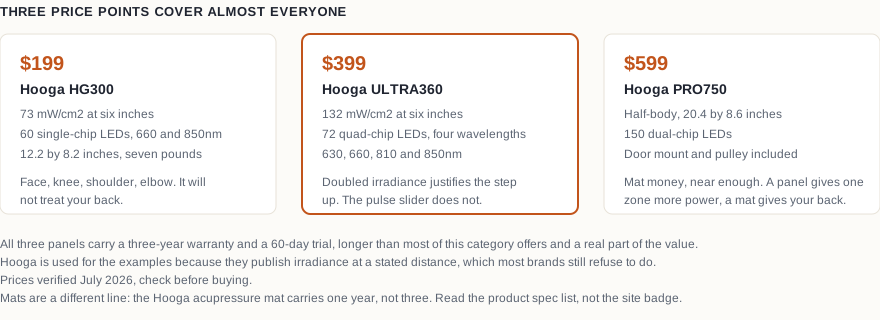
"Buy a panel" is unhelpful advice when panels run from $199 to well past $2,000. Three price points cover almost everyone, and we are using Hooga for the examples because they publish irradiance at a stated distance, which most brands still refuse to do.
That distance disclosure matters more than the number itself. An irradiance figure without a measurement distance is marketing, not a spec. A brand quoting 73 mW/cm² at six inches is telling you something checkable. A brand quoting 200 mW/cm² at surface contact is telling you nothing useful, because nobody treats at zero inches.
$199: Hooga HG300, the "find out if you'll actually use it" panel
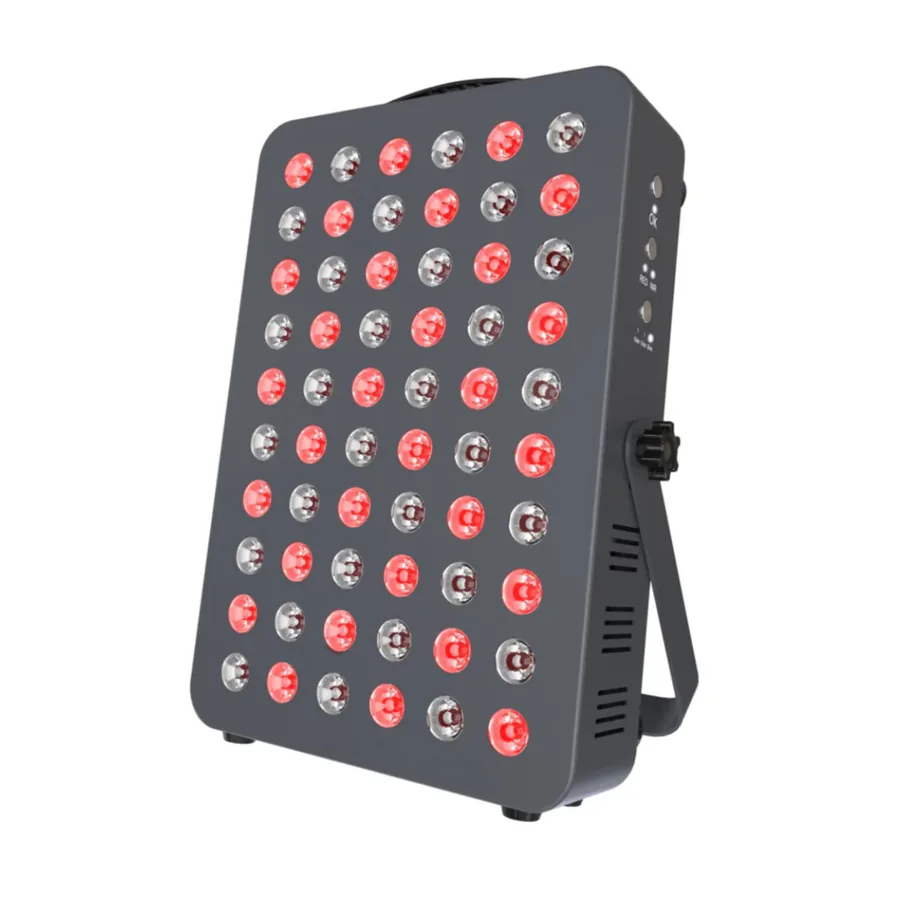
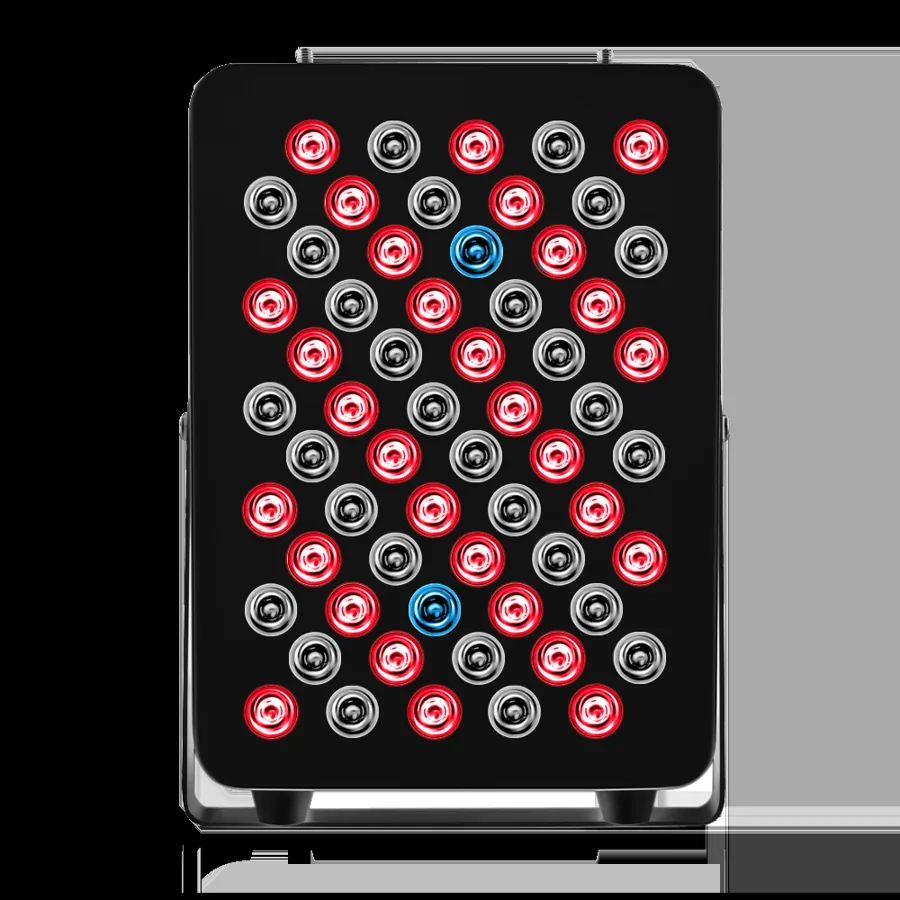
Sixty single-chip LEDs, 660nm and 850nm, 73 mW/cm² at six inches, 12.2" x 8.2", seven pounds, kickstand and timer built in. This is a targeted panel. Face, knee, shoulder, elbow. It will not treat your back and it does not pretend to.
We recommend this as the honest entry point over a four-figure mat for one reason: most people who buy red light hardware stop using it within two months. Spend $199 to learn whether you are the exception before you spend $1,299.
$399: Hooga ULTRA360, the one worth paying up for
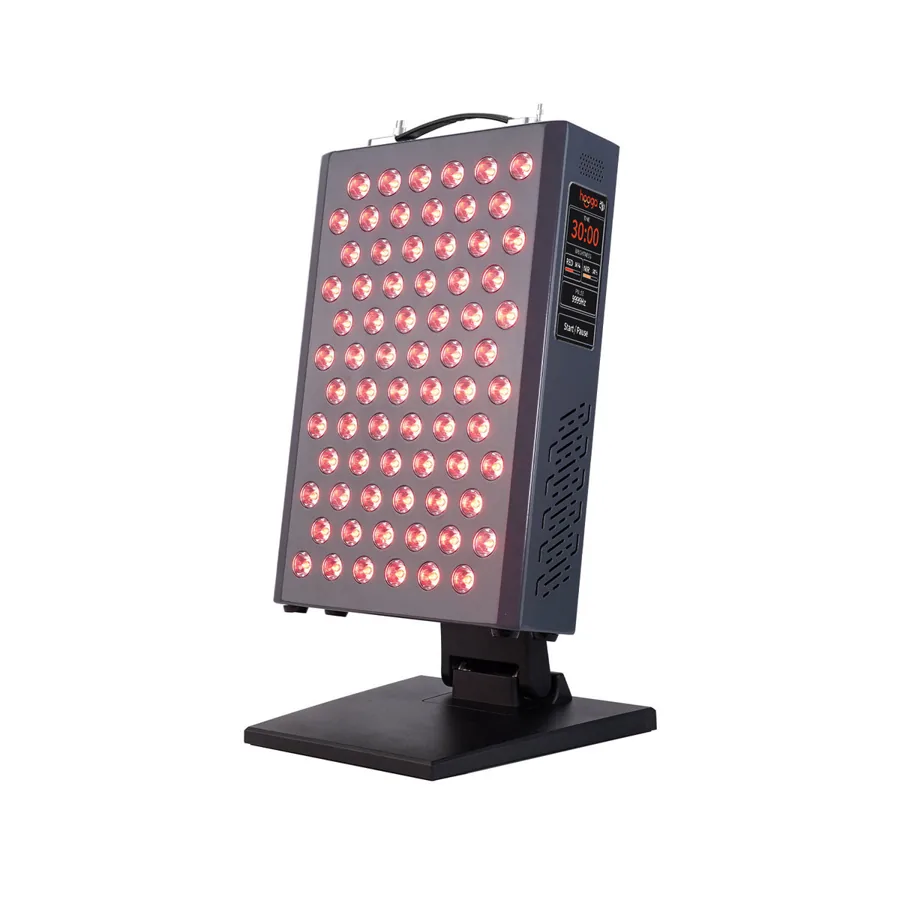
Seventy-two quad-chip LEDs across four wavelengths (630, 660, 810, 850nm) at 132 mW/cm² at six inches, with a touchscreen, independent brightness control for red and near-infrared, and pulse frequency from 1Hz to 9999Hz.
Be careful with that last feature. Pulsed light protocols have thin and inconsistent evidence behind them. The ability to set 40Hz because you read a paper about it is not the same as 40Hz doing something. What genuinely justifies the $200 step up over the HG300 is the doubled irradiance and the four wavelengths, not the pulse slider.
$599: Hooga PRO750, when you want to stop treating one spot at a time
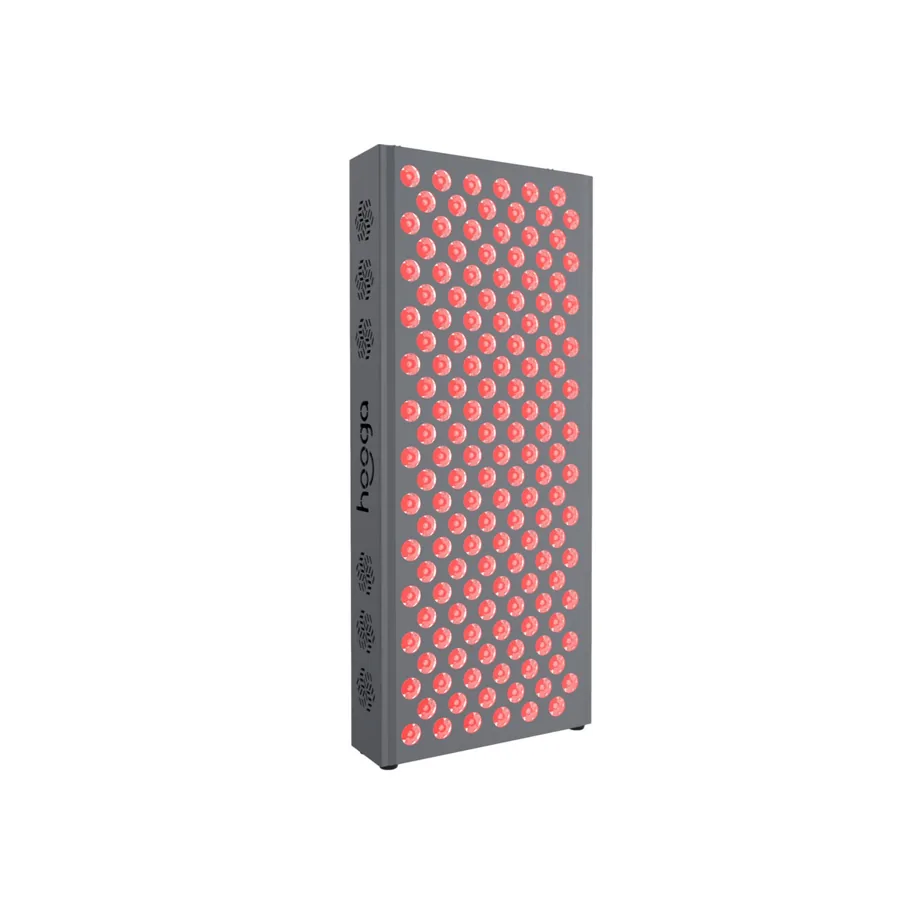
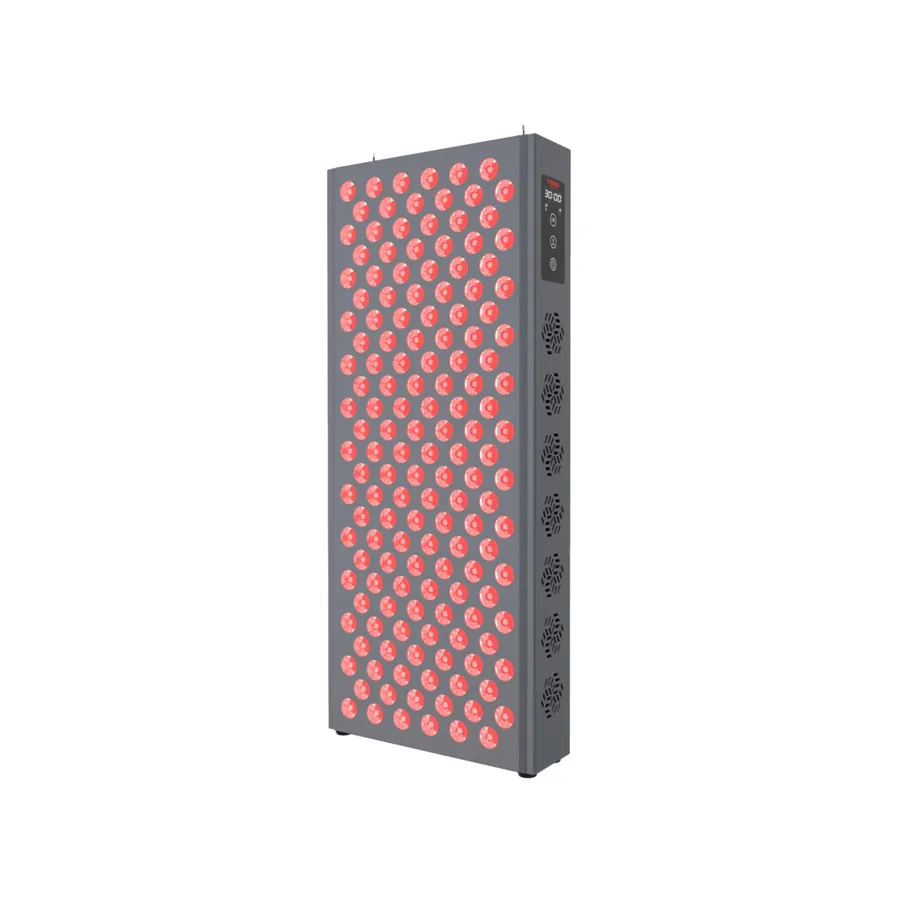
A hundred and fifty dual-chip LEDs at 20.4" x 8.6", which Hooga calls half-body. It hangs on a door with the included mount and pulley, or connects to other PRO panels on a mobile stand if you later want full-body coverage.
This is where a panel starts genuinely competing with a mat on coverage, and it is also where the price stops being obviously better than a good mat. At $599 you are in MitoMat territory. The panel gives you more power at one zone; the mat gives you your whole back at once without standing there holding a pose.
Hooga sells direct and offers HSA/FSA checkout through TrueMed, which can mean paying with pre-tax dollars if you qualify. On a $599 panel that is a meaningful difference. How that works, and when it is not worth it.
All three carry a three-year warranty and a 60-day trial, which is longer than most of this category offers and is a real part of the value at these prices. Prices verified July 2026, check before buying.
Above $599: Vellgus, and a Lesson in Reading Irradiance Claims
Hooga's ladder stops at half-body. If you want a panel taller than you are, they don't sell one, and the obvious next brand is Vellgus. We should say up front that we joined the Vellgus affiliate program in August 2026 at 10%, which is more than we earn on Hooga. Read the next two paragraphs with that in mind, and then notice that we still don't move them above Hooga.
Here is why. Vellgus publishes an irradiance figure with a stated distance, which we said above is the thing to look for: 245 mW/cm² at four inches. But that same 245 appears on the elite v2 (60 LEDs, 300 watts), the pro V2 (120 LEDs, 600 watts), and the max 300 (300 LEDs). A number that does not move when you multiply the LED count by five is not a measurement of a panel. It is a spec-sheet constant. And four inches is not six inches: you cannot lay it beside Hooga's 73 and 132 and read a winner off the page, because irradiance falls off fast with distance and the shorter measurement flatters the bigger number. We asked for a stated distance and Vellgus gave one, which is more than most brands do. It is still not a comparison.
So buy Vellgus for size, which is checkable, and not for intensity, which isn't.
$549: Vellgus elite v2, the six-wavelength one
Sixty LEDs at 300 watts across six bands, 20" x 26", 2.6 pounds, three-year warranty, table stand and door hook in the box. The six bands include 480nm, which Vellgus markets hard as unique. Be careful there: 480nm is blue-cyan light, and blue does not penetrate the way 660 and 850 do. It is a legitimate wavelength for surface-level skin work and it is not a reason to pick this over a four-wavelength panel for recovery. At $549 against Hooga's $599 PRO750 this is a real choice: bigger treatment area from Vellgus, published-at-six-inches irradiance and a 60-day trial from Hooga.
$1,149: Vellgus max 300, when you want the whole body standing up
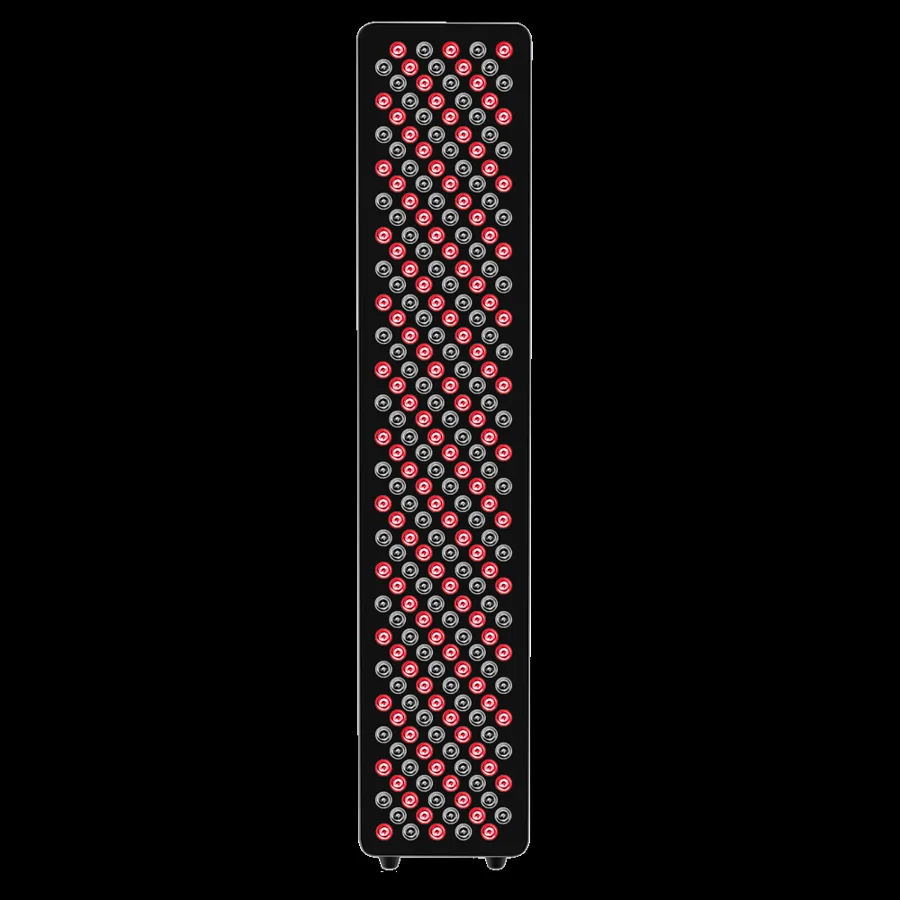
Ninety-two inches tall by thirty wide, 300 LEDs, five wavelengths, 13.5 pounds, three-year warranty. This is the reason to be on this section of the page at all: nothing in Hooga's ladder covers your whole body in one position, and this does. Two things the product page does not lead with. The floor stand is a paid add-on, not included, so budget past $1,149. And the 480nm band that the smaller Vellgus panels advertise is absent here, which quietly undercuts the six-band marketing on the rest of the line.
At this price you are past every mat on this site except the BonCharge Blanket. Buy the panel if you want maximum light into a standing body; buy the mat if you want to lie down.
$339: Vellgus mini, and why we'd still take the Hooga
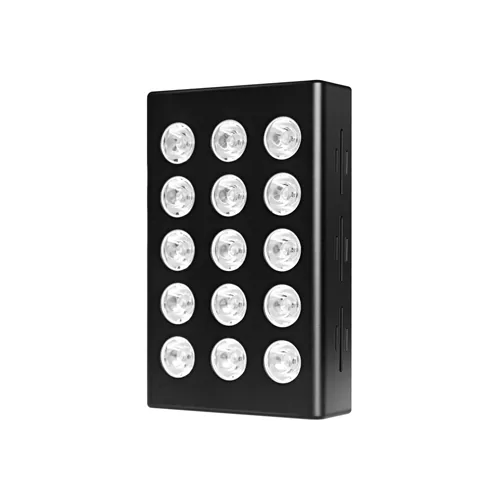
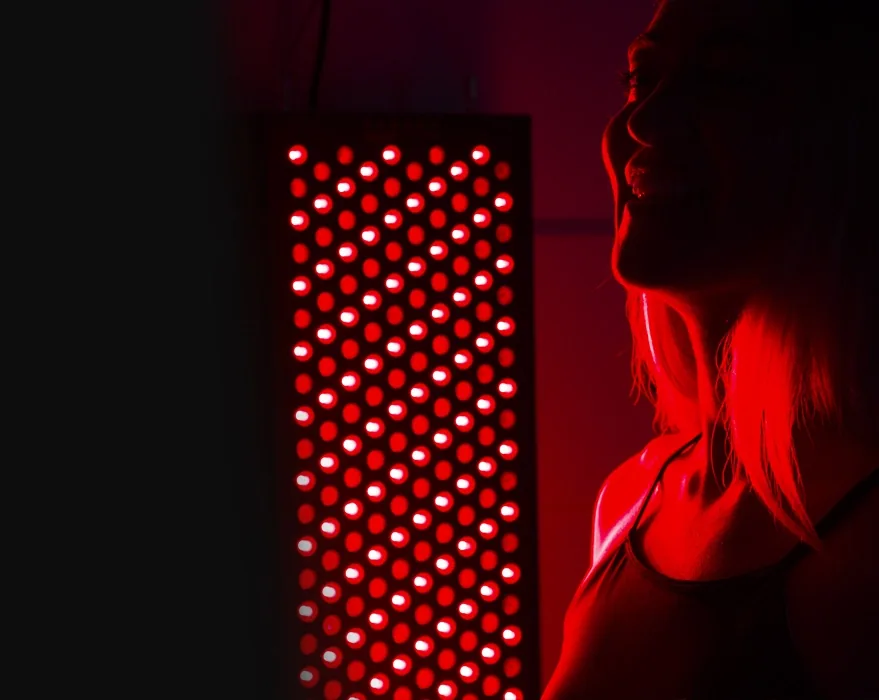
Seventy-five LEDs, 660 and 850nm only, USB-C powered, half a pound, and a one-year warranty rather than the three years the bigger Vellgus panels carry. Against the $399 Hooga ULTRA360 you save $60 and give up two wavelengths, two years of warranty, and the 60-day trial. We earn more on the Vellgus and we would still buy the Hooga. If $339 is the ceiling, the $199 HG300 plus the money you didn't spend is the better answer again.
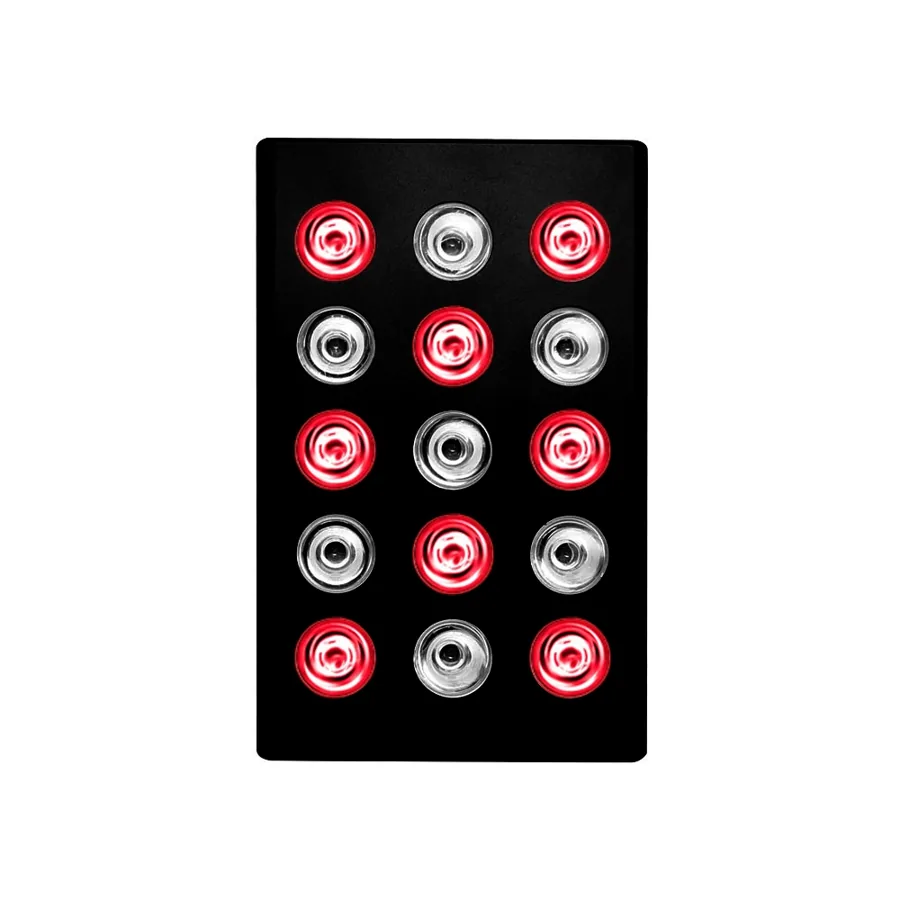
The Vellgus pro V2 ($899, 120 LEDs, six bands) sits between the elite v2 and the max 300 and was out of stock when we checked on 6 August 2026, so we have not linked it. Vellgus prices and stock verified that day; check before buying.
The Case for a Mat
You're horizontal, and that's the point. A mat session is lying down doing nothing, which is what your recovery routine probably needed anyway. A panel session is standing in position like you're being scanned. One of these becomes a daily habit without effort. Adherence beats irradiance: a mat used daily out-doses a panel used weekly, every time.
Full-body coverage in one go. Covering your whole body with a panel means multiple positions, multiple timers, or multiple panels. A MitoPOD does your entire back side in one session, and the BonCharge Blanket does both sides at once.
It disappears when you're done. No wall anchors, no door rack, no glowing monolith in the bedroom. Roll, stash, done.
The Honest Middle
If you have one specific problem area and a tripod's worth of floor space, buy a panel and don't overthink it. If you're buying for general recovery, sleep wind-down, and consistency, buy a mat. And if you're tempted to split the difference with the cheapest of each, that's not crazy: a $199 Hooga mat plus an entry panel later still costs less than one premium mat.
The decision in one paragraph: Panels are the better light source. Mats are the better habit. Buy the panel if you're treating a target and will stand for it, buy the mat if you're treating your whole tired body and want the session to feel like rest instead of an appointment. Most people reading a site called RedLightRecoveryMat already know which one they are.